Valvular Surgery
Valvular surgery is a specialized heart surgery performed to repair or replace damaged heart valves. Heart valves regulate blood flow through the heart, and when they do not open or close properly, the heart must work harder, leading to serious health problems. Valvular surgery helps restore normal blood flow, improve symptoms, and prevent life-threatening complications.
What Are Heart Valves?
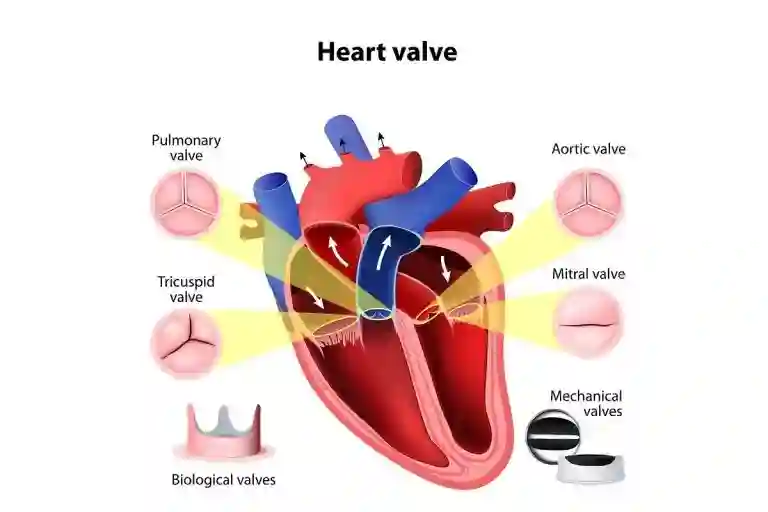
The heart has four valves, each with a specific role:
- Mitral Valve – between the left atrium and left ventricle
- Aortic Valve – between the left ventricle and aorta
- Tricuspid Valve – between the right atrium and right ventricle
- Pulmonary Valve – between the right ventricle and pulmonary artery
These valves open and close with each heartbeat to ensure blood flows in the correct direction.
What Is Valvular Heart Disease?
Valvular heart disease occurs when one or more valves do not function properly. The two main problems are:
- Stenosis – valve becomes narrow and restricts blood flow
- Regurgitation (Insufficiency) – valve does not close completely, allowing blood to leak backward
Common Causes of Valve Disease
- Age-related wear and tear
- Rheumatic fever
- Congenital heart defects
- Infections (endocarditis)
- Calcification of valves
- Previous heart surgery
- Connective tissue disorders
Symptoms of Valvular Heart Disease
Symptoms may develop slowly or suddenly and include:
- Shortness of breath
- Fatigue
- Chest pain
- Palpitations
- Swelling in legs or abdomen
- Dizziness or fainting
- Reduced exercise tolerance
Severe valve disease can lead to heart failure if untreated.
When Is Valvular Surgery Needed?
Valvular surgery is recommended when:
- Symptoms become severe
- Heart function begins to decline
- Valve damage is advanced
- Medications are no longer effective
- There is risk of complications such as heart failure or stroke
Early intervention can prevent permanent heart damage.
Types of Valvular Surgery
- Valve Repair
- Preferred when possible
- Preserves the patient's own valve
- Lower risk of infection and blood clots
- Common for mitral and tricuspid valves
- Valve Replacement
- Used when repair is not possible
- Mechanical Valves: Made of durable materials, last a lifetime, require lifelong blood-thinning medication
- Biological (Tissue) Valves: Made from animal or human tissue, do not usually require long-term blood thinners, may need replacement after 10–15 years
Surgical Approaches
- Open-Heart Surgery: Traditional method using a full sternotomy with heart-lung machine
- Minimally Invasive Valve Surgery: Smaller incisions with faster recovery, less pain and scarring
- Transcatheter Valve Procedures (Selected Patients): TAVI/TAVR for aortic valve, MitraClip for mitral valve regurgitation, no open surgery required
Preparation Before Valvular Surgery
Patients may undergo echocardiogram, ECG, CT scan or angiography, blood tests, and chest X-ray.
Pre-surgery instructions include stopping smoking, adjusting medications, fasting before surgery, and controlling blood pressure and diabetes.
Recovery After Valvular Surgery
Hospital Stay: ICU stay of 1–2 days with total hospital stay of 5–7 days (may vary).
Home Recovery: Full recovery in 6–8 weeks with gradual return to normal activities. Cardiac rehabilitation is recommended.
Risks and Complications
As with any major surgery, risks may include:
- Bleeding
- Infection
- Stroke
- Blood clots
- Irregular heart rhythms
- Valve-related complications
Risks depend on patient age, health, and type of surgery.
Life After Valvular Surgery
Most patients experience relief from symptoms, improved energy levels, better heart function, and enhanced quality of life.
Long-term care includes:
- Regular follow-up visits
- Echocardiograms
- Medications as prescribed
- Healthy lifestyle habits
When to Contact Your Doctor
Seek medical attention if you experience:
- Fever or signs of infection
- Sudden shortness of breath
- Chest pain
- Swelling of legs
- Irregular heartbeat