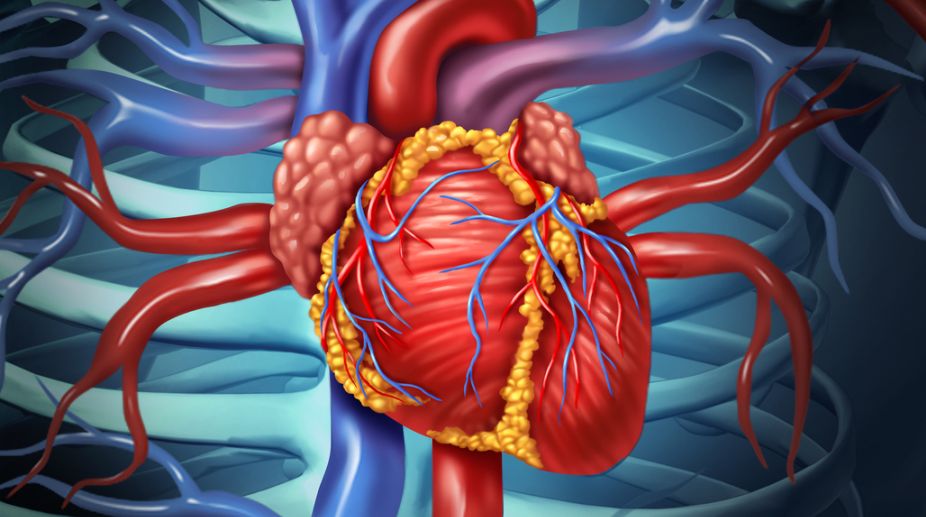
Total Arterial Revascularisation (TAR) is an advanced form of coronary artery bypass surgery in which only arterial grafts are used to restore blood flow to the heart. Unlike conventional bypass surgery that often uses leg veins, TAR relies entirely on arteries, which are more durable and provide better long-term outcomes. This technique is increasingly preferred, especially for younger and low-to-moderate risk patients.
What Is Total Arterial Revascularisation?
Total Arterial Revascularisation is a type of coronary artery bypass grafting (CABG) where all bypasses are created using arteries instead of veins. Arteries are naturally designed to handle high blood pressure and remain open longer, making them ideal for long-lasting heart revascularisation.
The main goal of TAR is to provide:
- Long-term graft patency
- Reduced risk of repeat heart procedures
- Improved survival and quality of life
Why Arterial Grafts Are Better Than Veins
Vein grafts (commonly taken from the leg) can narrow or block over time. In contrast, arterial grafts:
- Have stronger walls
- Resist atherosclerosis better
- Maintain blood flow for decades
- Function more like natural coronary arteries
Studies show that arterial grafts can remain open 15–25 years or longer, compared to vein grafts that may fail within 8–10 years.
Arteries Commonly Used in TAR
- Internal Mammary Arteries (IMA): Left IMA (LIMA) is most commonly used; Right IMA (RIMA) may also be used with excellent long-term results.
- Radial Artery: Taken from the forearm with good size and durability; requires preoperative testing to ensure hand safety.
- Gastroepiploic Artery: Used in selected cases, taken from the stomach area and used in specialized centers.
Who Is a Good Candidate for TAR Surgery?
TAR may be recommended for:
- Patients with multi-vessel coronary artery disease
- Younger patients with longer life expectancy
- Diabetic patients (in selected cases)
- Patients with good arterial anatomy
- Those aiming to reduce future reoperations
Not all patients are suitable. The decision depends on age and general health, severity of heart disease, artery quality, and surgeon's expertise.
How Is Total Arterial Revascularisation Performed?
- The patient is given general anesthesia
- Arterial grafts are carefully harvested from the chest and/or arm
- The heart is accessed via standard or minimally invasive approach
- Bypass grafts are created to reroute blood around blocked coronary arteries
- Surgery may be done on-pump or off-pump
- Incisions are closed after ensuring adequate blood flow
Surgery time may be slightly longer than conventional CABG due to precise arterial handling.
Benefits of Total Arterial Revascularisation
- Superior long-term graft patency
- Lower risk of graft failure
- Reduced chance of repeat bypass or angioplasty
- Better long-term survival
- Improved heart function
- Better outcomes in younger and diabetic patients
Recovery After TAR Surgery
Recovery is similar to standard bypass surgery:
- ICU stay: 1–2 days
- Hospital stay: 5–7 days
- Full recovery: 6–10 weeks
Some patients may experience mild arm discomfort if the radial artery is used, which usually improves over time.
Risks and Complications
Although TAR is safe in experienced hands, possible risks include:
- Bleeding
- Infection
- Heart rhythm disturbances
- Arm numbness or weakness (rare, with radial artery use)
- Prolonged surgery time
Overall risk depends on patient health and surgical expertise.
Life After Total Arterial Revascularisation
Patients who undergo TAR often enjoy:
- Long-lasting relief from chest pain
- Fewer heart-related complications in the future
- Improved exercise tolerance
- Reduced need for repeat procedures
To maintain benefits, patients must take prescribed medications, follow a heart-healthy diet, exercise regularly, quit smoking, and control diabetes, cholesterol, and blood pressure.
TAR vs Conventional Bypass Surgery
| Feature | TAR Surgery | Conventional CABG |
|---|---|---|
| Grafts Used | Only arteries | Arteries + veins |
| Graft Longevity | Very long-lasting | Moderate |
| Reoperation Risk | Lower | Higher |
| Ideal For | Younger, active patients | Older/high-risk patients |