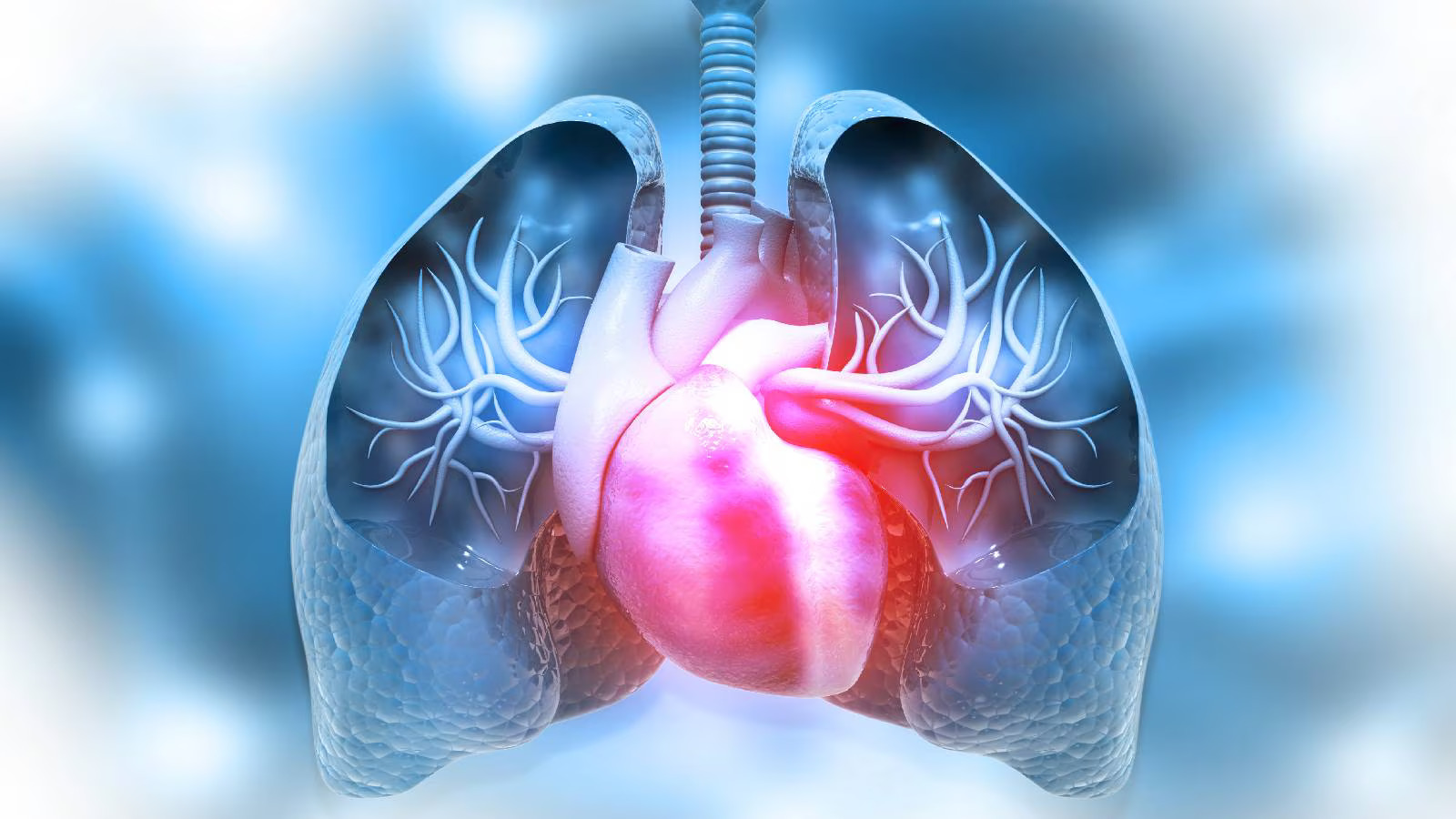
A heart & lung transplant is not just a surgery—it's a second chance at life. For patients whose heart and lungs are both failing, this combined transplant can feel like swapping a broken engine for a brand-new one. It's complex, rare, and incredibly powerful in what it can achieve.
What Is a Heart & Lung Transplant?
A heart & lung transplant is a surgical procedure where both the heart and lungs are replaced simultaneously with healthy organs from a deceased donor. This approach is used when treating just one organ won't solve the problem.
Why This Procedure Is Considered a Medical Miracle
Replacing two vital organs at once requires precision, timing, and teamwork. It's like changing both the engine and transmission of a moving car—challenging, but life-saving when done right.
Understanding the Heart–Lung Connection
How the Heart and Lungs Work Together
The heart pumps blood, and the lungs oxygenate it. They function like dance partners—if one misses a step, the other struggles to keep up.
What Happens When Both Organs Fail
When lung disease strains the heart or heart disease damages lung function, a vicious cycle begins. At this stage, a combined transplant may be the only solution.
Conditions That Require a Heart & Lung Transplant
- Congenital Heart Diseases: Complex heart defects that eventually damage lung circulation.
- Pulmonary Hypertension: Severe condition increasing pressure in lung arteries.
- Advanced Heart Failure with Lung Disease: Long-term heart failure causing permanent lung damage.
- Rare and Genetic Disorders: Eisenmenger syndrome or cystic fibrosis with heart involvement.
Who Is Eligible for a Heart & Lung Transplant?
- Medical Eligibility Criteria: End-stage heart and lung disease with no other effective treatment options.
- Age and Lifestyle Considerations: Most candidates are under 60, non-smokers, and free from active infections or cancers.
- Who Is Not a Suitable Candidate: Poor medication compliance, substance abuse, or severe organ damage elsewhere.
Pre-Transplant Evaluation Process
- Medical Tests and Imaging: Blood tests, CT scans, heart catheterization, lung function tests, and infection screening.
- Psychological and Social Evaluation: Mental readiness assessment for transplant life.
- Importance of Family and Support Systems: Essential for recovery and long-term success.
Donor Matching and Organ Allocation
- How Donors Are Selected: Matched based on blood type, body size, and medical urgency.
- Waiting List and Priority System: Patients placed on national or regional waiting lists.
- Time on the Waiting List: Can range from weeks to months.
The Heart & Lung Transplant Surgery
- Step-by-Step Surgical Procedure: Diseased organs removed, donor organs implanted with cardiopulmonary bypass support.
- Duration and Complexity: Typically lasts 6–10 hours with multiple surgical teams.
- Role of the Transplant Team: Surgeons, anesthesiologists, nurses, and coordinators work in sync.
Life After Heart & Lung Transplant
- Immediate Post-Surgery Recovery: Close ICU monitoring for organ function.
- Hospital Stay and ICU Care: Hospitalization usually lasts 3–4 weeks.
- First 90 Days After Transplant: Most critical phase for rejection and infection monitoring.
Medications After Transplant
- Immunosuppressant Drugs: Prevent immune system from attacking new organs.
- Managing Side Effects: Weight gain, infections, high blood pressure.
- Importance of Medication Adherence: Skipping doses can be life-threatening.
Risks and Complications
- Organ Rejection: Acute or chronic rejection possible despite medication.
- Infections: Immunosuppression increases infection risk.
- Long-Term Health Risks: Kidney damage, diabetes, and certain cancers.
Survival Rates and Success Outcomes
- Short-Term Survival Rates: About 70–80% survive the first year post-transplant.
- Long-Term Prognosis: Many patients live 10–15 years or more.
- Factors That Improve Survival: Early diagnosis, treatment adherence, and regular follow-ups.
Lifestyle Changes After Transplant
- Diet and Nutrition: Low-salt, balanced diet supports organ health.
- Physical Activity and Rehabilitation: Gradual exercise improves stamina.
- Mental and Emotional Well-being: Counseling and support groups help manage challenges.
Cost of Heart & Lung Transplant
- Cost in India: Typically ₹20–35 lakhs depending on hospital and care needs.
- Cost in Other Countries: Can exceed $1.5 million in the US.
- Insurance and Financial Planning: Many insurers cover partially; planning is crucial.
Advances in Heart & Lung Transplant Technology
- Artificial Organs and Bridging Devices: ECMO helps patients survive while awaiting transplant.
- Minimally Invasive Techniques: New surgical methods reduce recovery time.
- Future of Transplant Medicine: Gene therapy and bioengineered organs show promise.