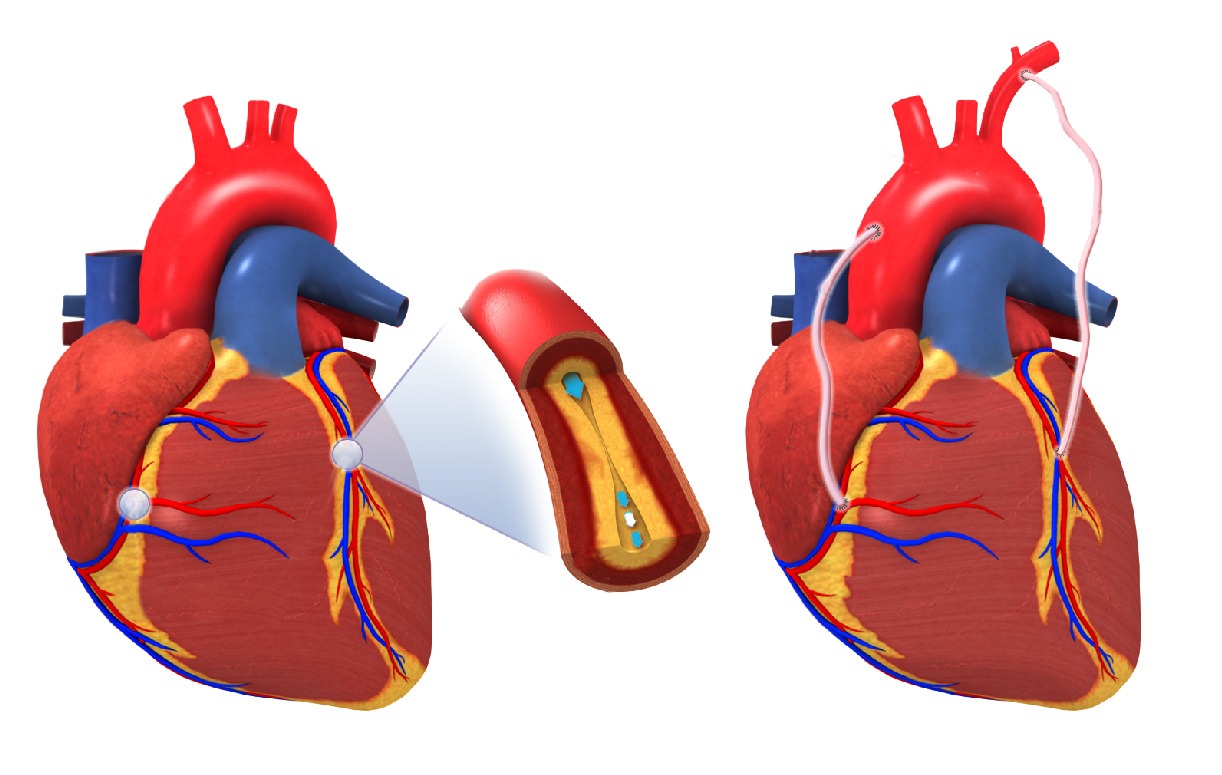
Coronary Artery Bypass Grafting, commonly known as CABG, is a surgical procedure to improve blood flow to the heart muscle (myocardium).
It is performed when one or more coronary arteries become blocked or narrowed due to plaque buildup. CABG creates a new pathway for blood to reach the heart muscle, reducing chest pain and preventing heart attacks.
When Is CABG Needed?
Doctors recommend CABG for patients with advanced or severe coronary artery disease (CAD).
It’s often suggested when medications or angioplasty fail to relieve symptoms. Common signs include chest pain, chest discomfort, fatigue, and shortness of breath. CABG can also be life-saving for patients who have multiple blocked arteries or left main coronary artery disease.
How Is CABG Performed?
During CABG, the surgeon takes a healthy blood vessel from another part of the body—usually the leg, arm, or chest—and connects it beyond the blocked artery. This new route restores normal blood flow to the heart. The surgery typically takes three to six hours under general anesthesia. Depending on the patient’s condition, surgeons may perform one or more grafts.
Types of Coronary Artery Bypass Surgery
- Single, Double, Triple, or Quadruple Bypass: Depends on the number of arteries that need bypassing.
- On-Pump CABG: Heart is temporarily stopped; heart-lung machine manages circulation.
- Off-Pump (Beating Heart) CABG: Surgery performed while heart is still beating.
- Minimally Invasive CABG: Smaller incisions lead to faster recovery.
Possible Risks and Complications
Like all major surgeries, CABG carries some risks. These may include bleeding, infection, irregular heartbeat, or stroke. Most patients recover without serious complications, especially when they follow medical advice carefully.
However, advances in surgical techniques and post-operative care have made CABG much safer, with very low mortality rates in experienced centers.
Risks and complications vary from person to person. It is important that you discuss this with your surgeon to find the risk applicable to a particular person.
There are standardized Risk Calculators like EuroSCORE II and STS SCORE which give a fair indication about the risk involved. Your surgeon will discuss this with you in detail.
Preparation Before Surgery
- Blood tests, chest X-ray, ECG, and echocardiogram
- Coronary angiography
- Medication review
- Quit smoking and control blood pressure/sugar
- Fasting before surgery
Recovery After CABG Surgery
- Hospital Stay: ICU stay 1–2 days; total hospital stay 5–7 days
- Common Experiences: Pain at incision site, fatigue, leg swelling, mood changes
- Home Recovery: Full recovery takes 6–12 weeks; avoid heavy lifting for 6–8 weeks
Medications After Surgery
- Blood thinners (antiplatelet drugs)
- Cholesterol-lowering drugs (statins)
- Blood pressure medicines
- Diabetes medications (if required)
Risks and Complications
- Infection and bleeding
- Heart rhythm problems
- Stroke or heart attack
- Memory or concentration issues (temporary)
When to Contact Your Doctor
Seek medical attention if you notice fever, wound redness or discharge, severe chest pain, shortness of breath, irregular heartbeat, or worsening swelling.
Lifestyle Changes After CABG
Successful CABG alone doesn’t mean coronary artery disease is cured, or its progression has stopped forever.
Long-term results depend on healthy habits. Patients should eat a heart-healthy diet rich in fruits, vegetables, and whole grains. Regular physical activity and maintaining a healthy weight are essential. Managing blood pressure, cholesterol, and diabetes helps prevent future blockages.
Complete cessation for Smoking and Alcohol is also very important to prevent development of newer blockages.