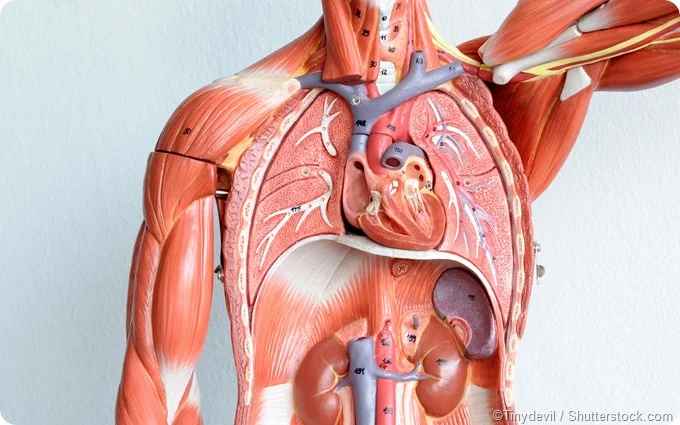
Thoracic and Vascular Surgery are specialized branches of surgery that focus on diseases affecting the chest organs and the blood vessels of the body. These surgeries play a crucial role in treating life-threatening conditions involving the lungs, heart-related structures, arteries, and veins. This guide explains what patients need to know about thoracic and vascular surgery, including conditions treated, procedures, preparation, risks, and recovery.
What Is Thoracic Surgery?
Thoracic surgery deals with diseases of the organs inside the chest (thorax), excluding the heart. It focuses mainly on the lungs, esophagus, chest wall, diaphragm, and mediastinum.
Conditions Treated by Thoracic Surgery
- Lung cancer and lung tumors
- Benign lung diseases
- Pleural diseases (fluid around lungs)
- Esophageal cancer and swallowing disorders
- Chest wall deformities (e.g., pectus excavatum)
- Mediastinal tumors
- Tracheal and bronchial diseases
- Empyema and lung infections
What Is Vascular Surgery?
Vascular surgery treats diseases of the arteries, veins, and lymphatic system, excluding the heart and brain. It aims to restore normal blood flow and prevent complications such as stroke, limb loss, or organ damage.
Conditions Treated by Vascular Surgery
- Peripheral artery disease (PAD)
- Aortic aneurysms (thoracic and abdominal)
- Carotid artery disease
- Varicose veins
- Deep vein thrombosis (DVT)
- Chronic venous insufficiency
- Vascular trauma
- Diabetic foot and limb ischemia
- Renal and mesenteric artery disease
Common Thoracic Surgery Procedures
- Lung resection (lobectomy, pneumonectomy)
- Video-Assisted Thoracoscopic Surgery (VATS)
- Robotic thoracic surgery
- Esophagectomy
- Pleurodesis
- Chest wall reconstruction
- Mediastinal mass removal
Common Vascular Surgery Procedures
- Angioplasty and stenting
- Bypass surgery for blocked arteries
- Endovascular aneurysm repair (EVAR/TEVAR)
- Carotid endarterectomy
- Varicose vein surgery (laser or radiofrequency)
- Thrombectomy (clot removal)
- Dialysis access surgery (AV fistula)
Minimally Invasive Techniques
Modern thoracic and vascular surgery increasingly uses minimally invasive approaches, including:
- VATS and robotic surgery in thoracic care
- Endovascular procedures using catheters and stents in vascular care
Benefits include:
- Smaller incisions
- Less pain
- Reduced blood loss
- Shorter hospital stay
- Faster recovery
Preparation Before Surgery
Patients may undergo:
- Blood tests
- CT scan, MRI, or ultrasound
- Pulmonary function tests (for thoracic surgery)
- Angiography (for vascular surgery)
- ECG and echocardiogram
Pre-surgery instructions often include:
- Stopping smoking
- Adjusting medications
- Fasting before surgery
- Controlling blood sugar and blood pressure
Recovery After Surgery
Hospital Stay
Thoracic surgery: 3–7 days (varies by procedure)
Vascular surgery: 1–5 days (longer for complex cases)
Postoperative Care
- Pain management
- Breathing exercises
- Early mobilization
- Wound care
- Follow-up imaging and check-ups
Risks and Complications
Although generally safe, possible risks include:
- Bleeding
- Infection
- Blood clots
- Lung complications
- Nerve injury
- Graft or stent blockage (vascular)
Risk depends on patient health, condition severity, and surgical complexity.
Life After Thoracic & Vascular Surgery
Most patients experience significant improvement in symptoms and quality of life. Long-term success depends on:
- Taking prescribed medications
- Quitting smoking
- Maintaining a healthy diet
- Regular exercise
- Managing diabetes, cholesterol, and blood pressure
- Attending follow-up appointments
When to See a Specialist
Consult a thoracic or vascular surgeon if you experience:
- Persistent chest pain or breathing difficulty
- Chronic cough or unexplained weight loss
- Leg pain while walking
- Non-healing wounds on feet
- Swollen or painful veins
- Symptoms of reduced blood flow